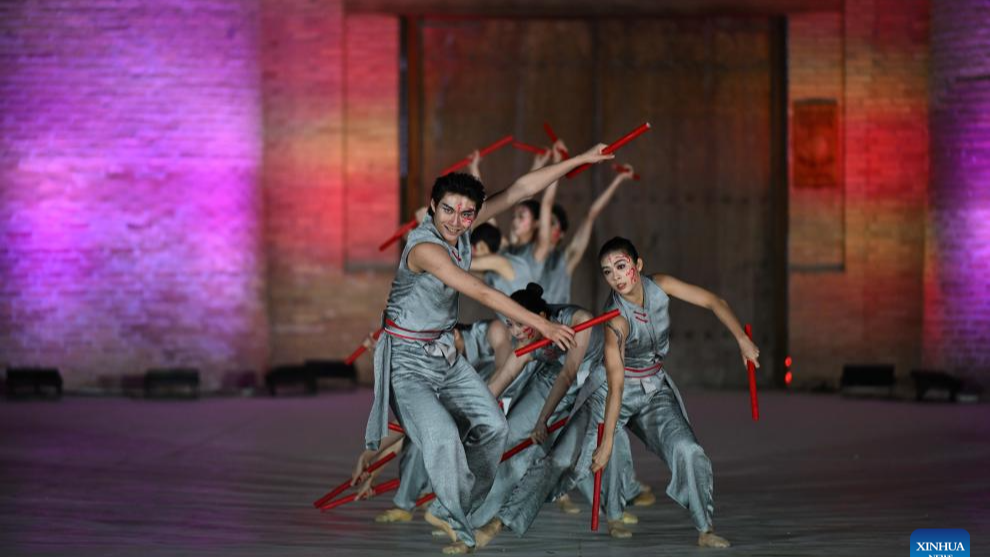



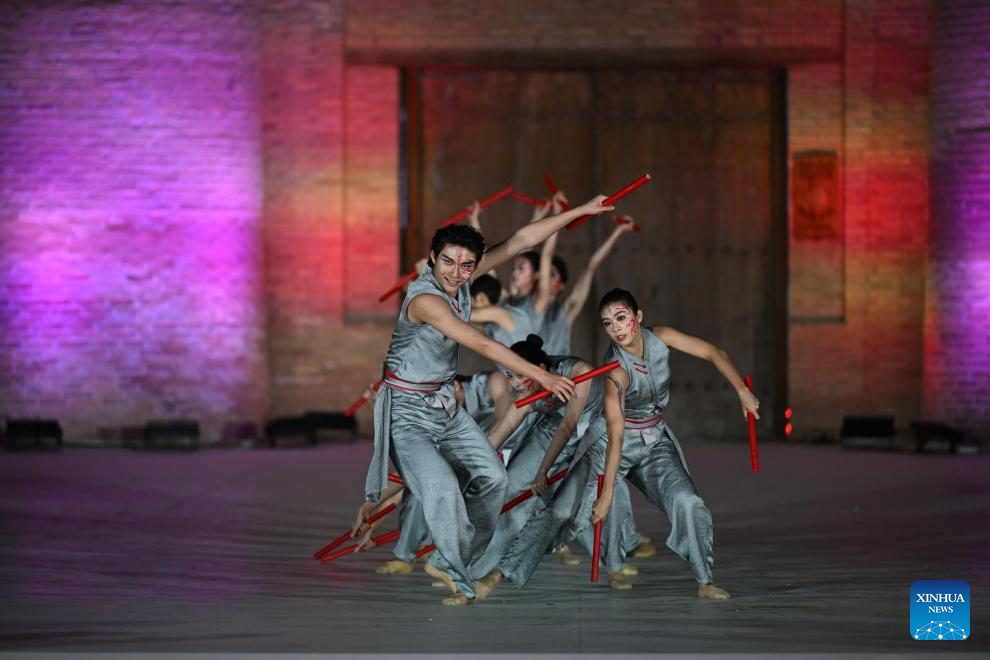
Dancers from the Beijing Dance Academy perform during the third International Lazgi Dance Festival in Khiva, Uzbekistan, on April 26, 2026. (Xinhua/Li Renzi)
by Xinhua writer Gou Hongjing
TASHKENT, April 29 (Xinhua) -- Dressed in flowing blue costumes and wielding red drumsticks, nine young dancers from the Beijing Dance Academy moved in perfect unison to rhythmic beats on a grand stage set within the ancient Ichan-Kala complex in Khiva, Uzbekistan, their movements crisp yet fluid as the performance unfolded.
Blending elements of Chinese martial arts with traditional folk dance, the performers alternated between sweeping group formations and high-difficulty solo movements, earning sustained applause and cheers from an international audience.
Their performance became one of the highlights of the third International Lazgi Dance Festival, which opened on Monday in the historic oasis city.
Originating from Uzbekistan's Khorezm region, Lazgi is a traditional music and dance form that reflects the sounds of nature, human emotion and the joy of life. This year's festival brought together more than 300 dancers, choreographers, musicologists and cultural figures from over 30 countries, including China, Russia, Kazakhstan, Türkiye, Japan and Brazil.
For the Chinese performers, the journey went beyond competition.
"We consider participation in the festival a great honor. We came here to share our art and our love for dance," said Wu Shuai, coach of the Beijing Dance Academy troupe. "We are also very happy to build new friendships and connections in this beautiful city."
Such exchanges reflect the steadily deepening cultural ties between China and Uzbekistan.
"Uzbekistan has maintained continuous cooperation with China in the field of culture," said Sirojiddin Usarov, head of the press service of the Uzbekistan Ministry of Culture. "We have approved plans to present Uzbek culture in China and Chinese culture in Uzbekistan, and Chinese participants are welcome at all major international cultural events here."
Beyond the formal performances, the spirit of dance spills into the streets of Khiva. In a corner of the ancient city, a group of local youths staged a flash mob, dancing freely to traditional music played through a portable speaker as passersby looked on. Drawn by the rhythm, foreign visitors soon joined in, with their movements blending under the soft glow of the setting sun.
Such moments unfolded against the backdrop of Khiva's timeless beauty. As an old Central Asian saying goes, one would offer a bag of gold for a glimpse of the city. With a history of more than 2,500 years, Khiva was once a key stop along the Silk Road and a center of learning and culture.
As music and dance echo through its narrow lanes and historic courtyards, the festival is breathing new life into this storied city. Running until Thursday, the event features a dance competition alongside a series of cultural exchange activities. It is organized in cooperation with the United Nations Educational, Scientific and Cultural Organization (UNESCO) and the International Organization of Turkic Culture.
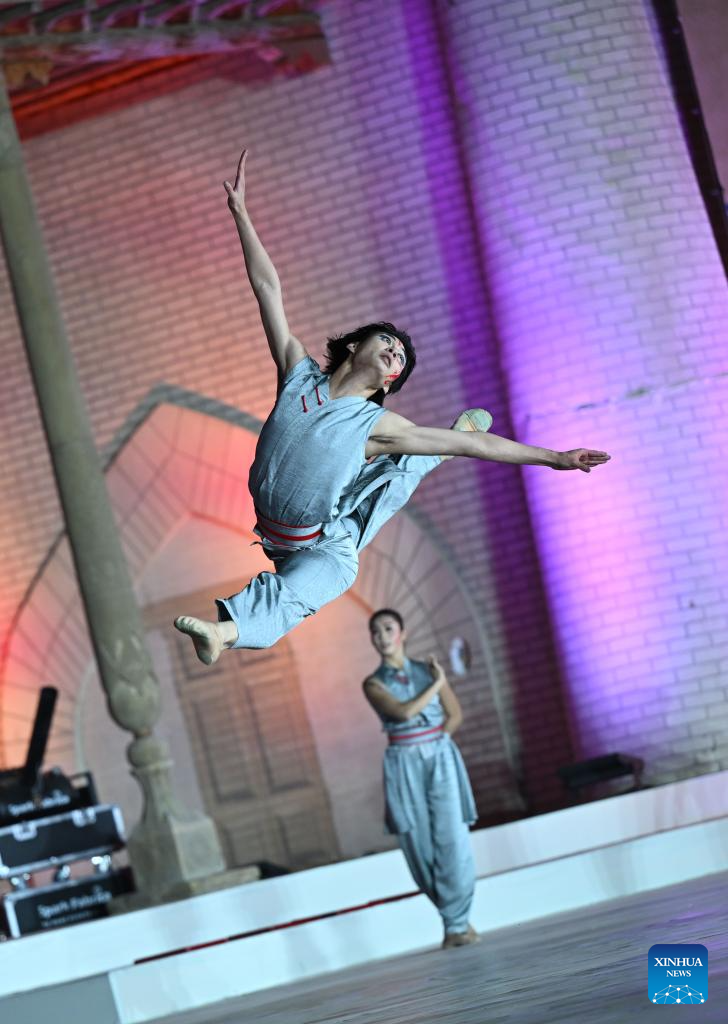
A dancer from the Beijing Dance Academy performs during the third International Lazgi Dance Festival in Khiva, Uzbekistan, on April 26, 2026. (Xinhua/Li Renzi)
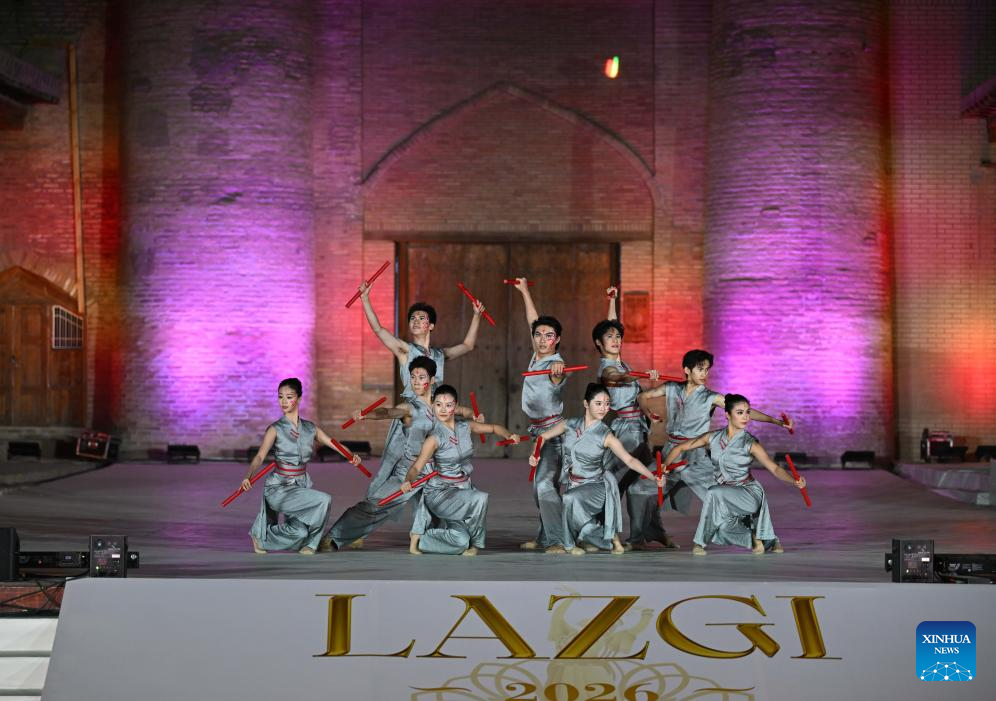
Dancers from the Beijing Dance Academy perform during the third International Lazgi Dance Festival in Khiva, Uzbekistan, on April 26, 2026. (Xinhua/Li Renzi)
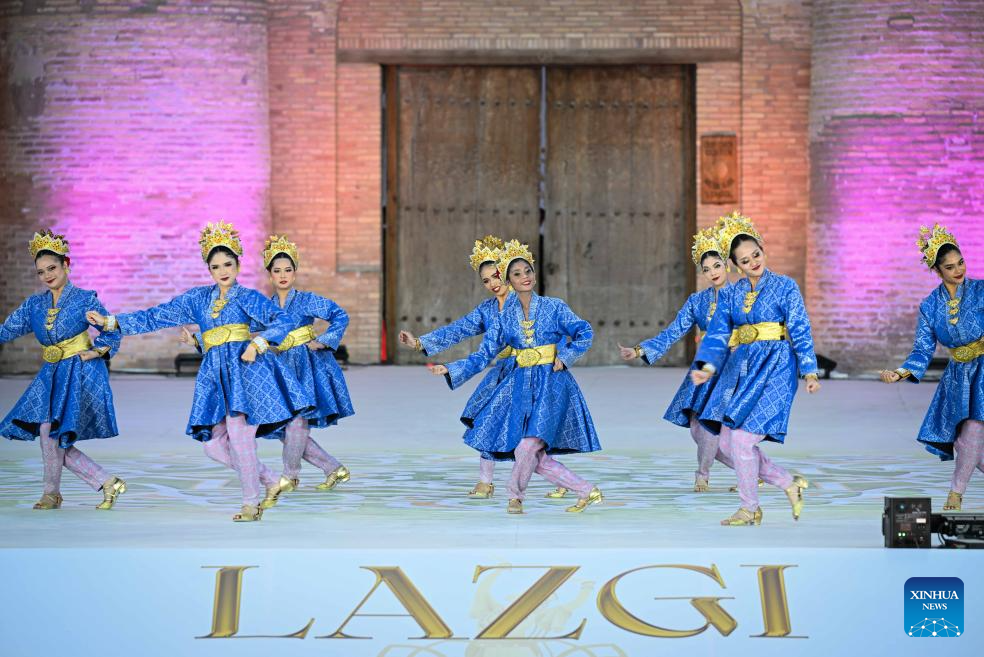
Dancers perform during the third International Lazgi Dance Festival in Khiva, Uzbekistan, on April 26, 2026. (Xinhua/Li Renzi)
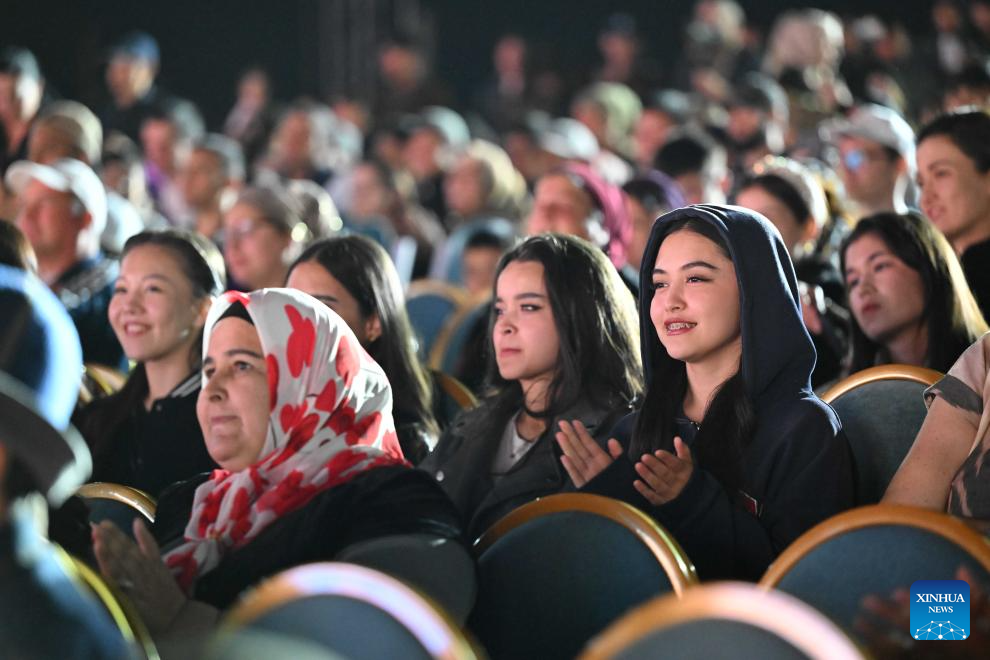
People react as they watches the performance during the third International Lazgi Dance Festival in Khiva, Uzbekistan, on April 26, 2026. (Xinhua/Li Renzi)
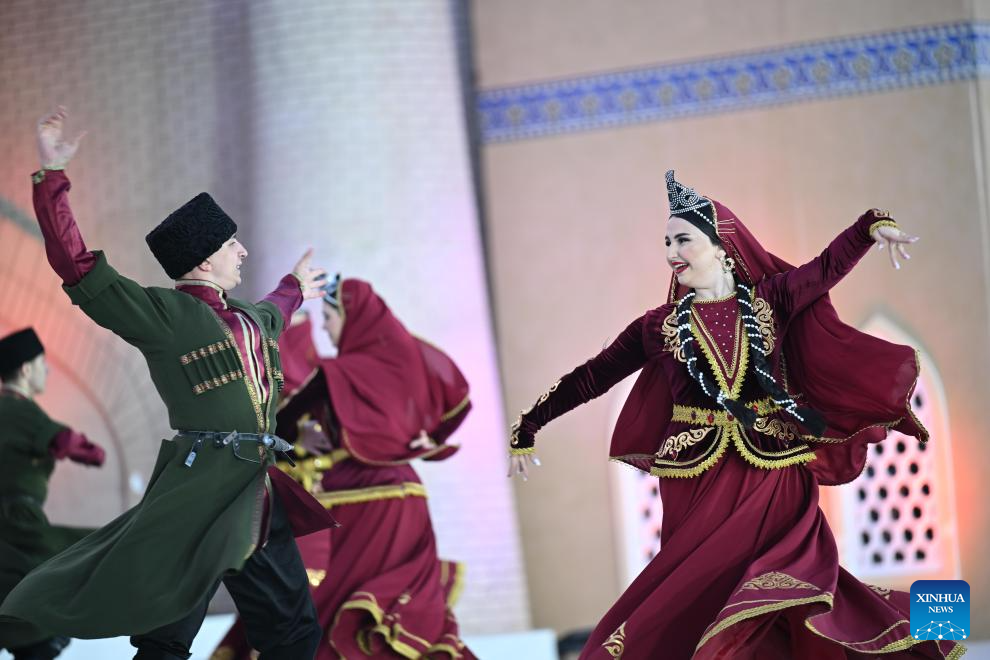
Dancers perform during the third International Lazgi Dance Festival in Khiva, Uzbekistan, on April 26, 2026. (Xinhua/Li Renzi)
 A single purchase