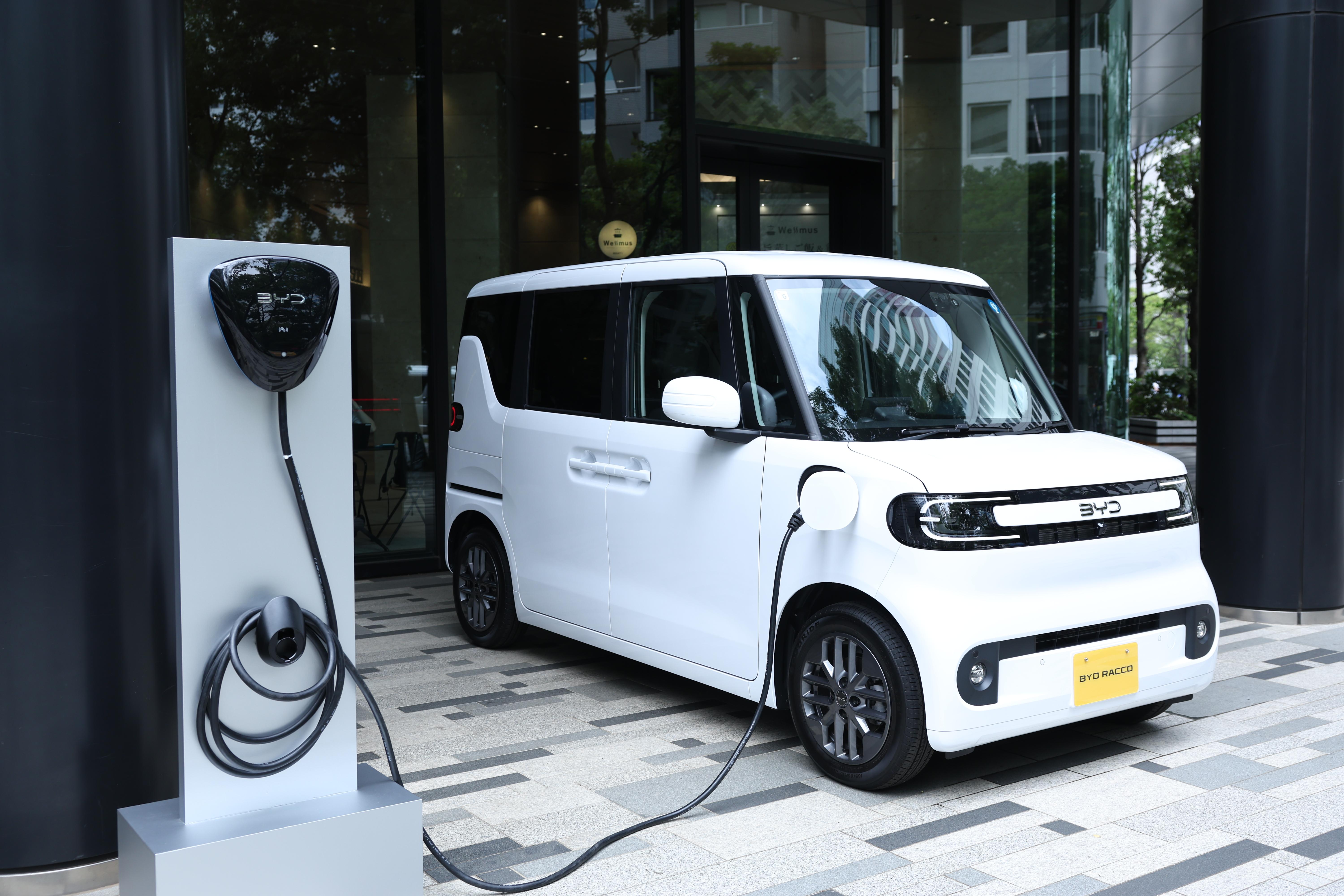



TOKYO, July 30 (Xinhua Silk Road) -- Chinese automaker BYD on Tuesday launched its first electric minicar in Japan, marking its entry into the country's highly competitive kei car segment, a category of ultra-compact vehicles, long dominated by Japan's domestic automakers.
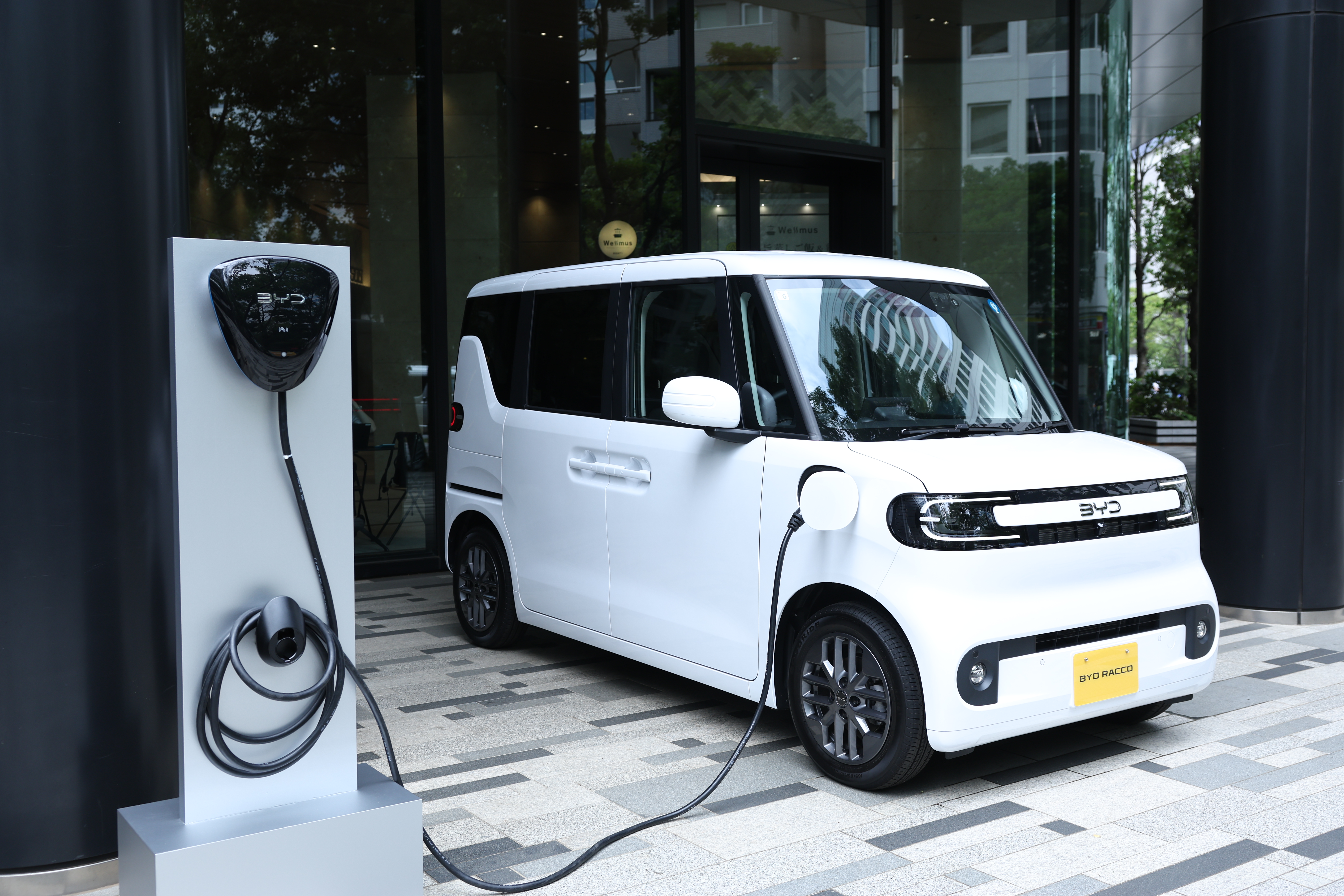 Photo taken on July 28, 2026 shows the Racco model of BYD, the brand's first electric minicar, in Tokyo, Japan. (Xinhua/Yue Chenxing)
The new model, named Racco, is BYD's first passenger vehicle developed specifically for the Japanese market.
Three versions are available, with driving ranges of up to 320 kilometers. The entry-level model is priced at 2.145 million yen (about 13,000 U.S. dollars), while the top-end version is priced at 2.497 million yen.
Speaking at the launch event in Tokyo, Liu Xueliang, vice president of BYD and president of BYD Japan, said the company decided to develop the model in response to strong demand from Japanese consumers, particularly in areas where kei cars play an essential role in daily transportation.
"No overseas automaker has previously developed a kei car specifically for the Japanese market. BYD is committed to Japanese market and hopes to bring new mobility choices to local consumers through its technology," Liu said.
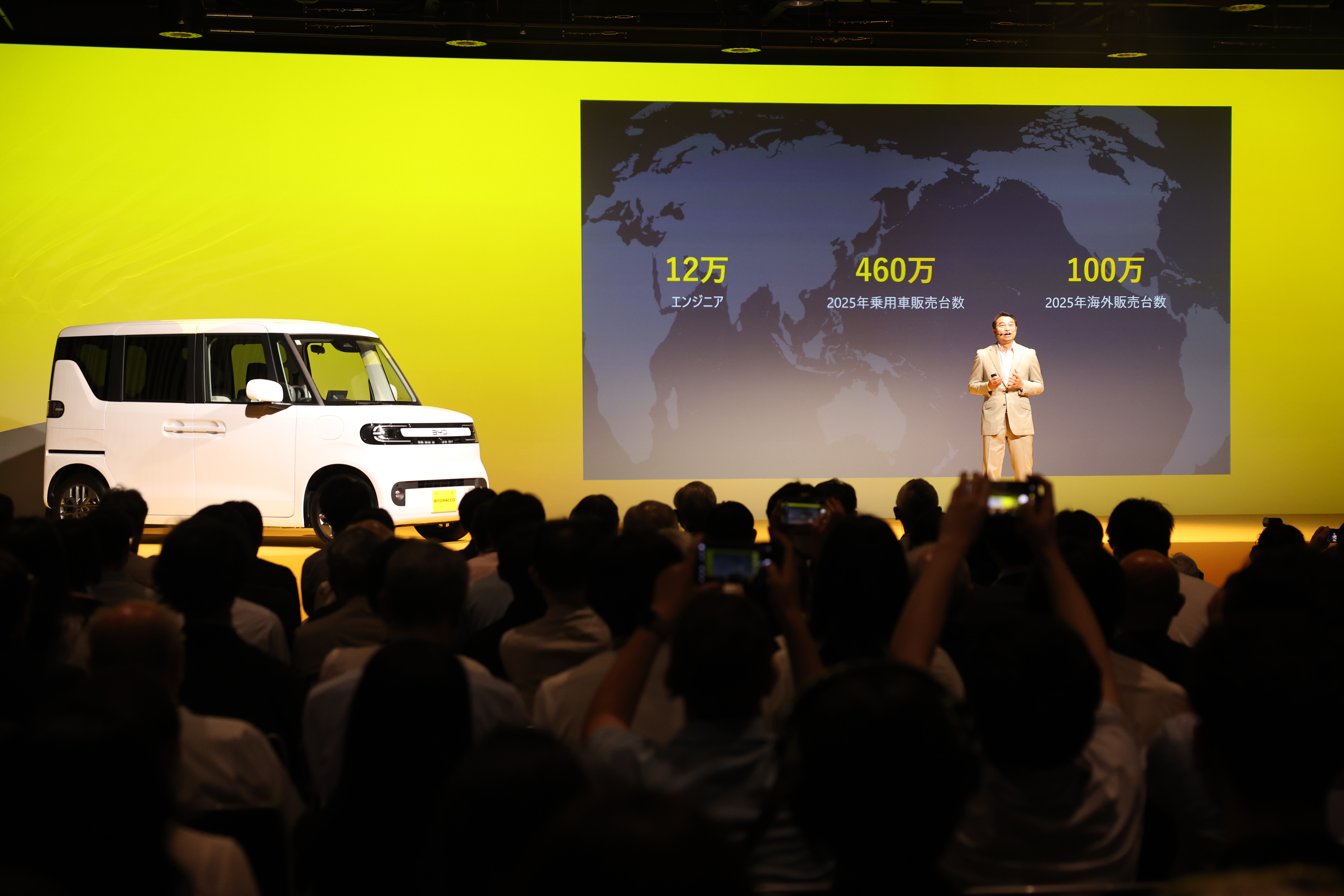 Photo taken on July 28, 2026 shows Liu Xueliang, vice president of BYD and president of BYD Japan, speaking at the launch event in Tokyo, Japan. (Xinhua/Yue Chenxing)
Atsuki Tofukuji, president of BYD Auto Japan, said that the company aims to sell 10,000 units of this model annually in Japan.
Japan's electric vehicle adoption remains relatively low compared with other major markets, with EVs accounting for around 2 percent of new vehicle sales. With a wider range of affordable electric minicars, the EV adoption in the country is expected to rise, said Tang Jin, senior researcher at Japan's Mizuho Bank.
BYD entered Japan's passenger vehicle market in 2023 and has since introduced six passenger vehicle models. According to the Japan Automobile Importers Association, the company sold 2,334 passenger vehicles in Japan during the first half of this year, up 42.7 percent from a year earlier.
Looking forward, the automaker plans to increase its sales network in Japan, as it seeks to strengthen brand recognition in the Japanese market.
(Contributed by Li Shimeng, Yue Chenxing in Tokyo)
 A single purchase