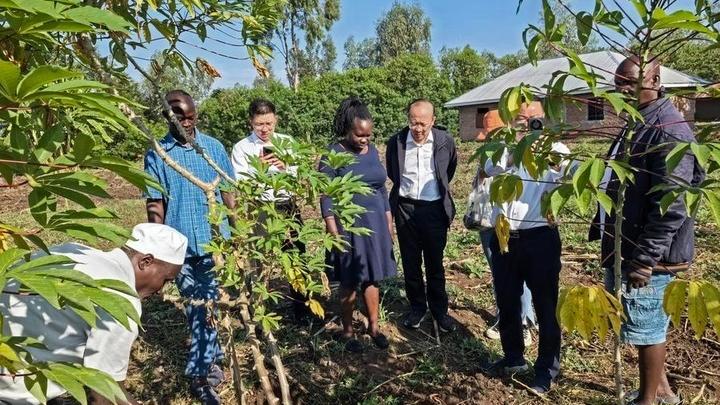



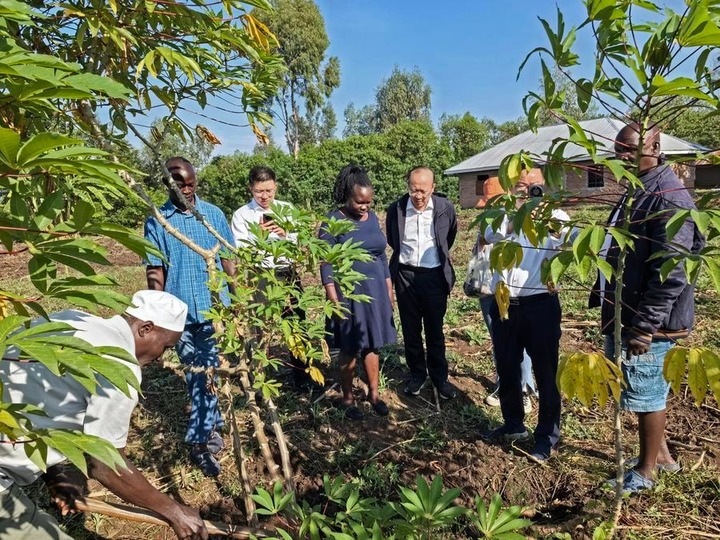
Chinese experts inspect the cultivation of local green crops in the Lake Victoria region in Kisumu, Kenya, Aug. 27, 2024. (Xinhua)
In an increasingly interconnected and interdependent world, initiatives that promote cooperation, shared growth, and mutual understanding are more important than ever before. Globalization has brought nations closer together, but it has also exposed inequalities in infrastructure, trade access, and economic opportunities. As such, frameworks that aim to bridge these gaps play a critical role in shaping a more balanced and inclusive global economy.
One such initiative is the Belt and Road Initiative (BRI), a transformative vision that seeks to enhance global connectivity through infrastructure development, trade expansion, and cultural exchange.
As a student with a background in fiscal and economic analysis, I find the BRI particularly compelling. Its relevance lies not only in its vast scale but also in its potential to reshape economic relationships between regions, especially between Asia and Africa. It represents a shift toward a more integrated model of development, where countries collaborate to achieve shared prosperity.
Although my experience is not based in China, I have closely followed the evolution of the BRI and observed its impact, particularly in developing regions such as Africa. From this perspective, I have developed a deeper appreciation of how large-scale cooperation frameworks can influence everyday life, create economic opportunities, and support long-term development.
Understanding the vision of shared development
At the heart of the BRI is the concept of building a community with a shared future for humanity. While this idea may initially appear abstract, its practical implications are both clear and measurable. It emphasizes collaboration, mutual benefit, and long-term partnership among participating countries.
The initiative focuses heavily on infrastructure development, including roads, railways, ports, and energy systems. These are essential components of economic growth, as they enable efficient movement of goods, services, and people. Without strong infrastructure, trade becomes costly and inefficient, limiting economic potential.
From a fiscal perspective, infrastructure investment plays a crucial role in boosting productivity and facilitating trade. Improved transportation networks reduce costs, shorten delivery times, and expand access to markets. This creates opportunities for businesses to grow, for governments to increase revenue, and for communities to benefit from improved access to goods and services.
Observing change: the African context
One of the most visible impacts of the BRI can be observed in Africa. Many African countries have historically faced infrastructure deficits that have limited economic growth and regional integration. Through the BRI, several of these challenges are being addressed.
Railways, highways, and port developments have significantly improved transportation systems across the continent. These projects have enhanced connectivity within countries and strengthened links between neighboring nations, promoting trade and economic cooperation.
Modern railway systems, for example, have reduced travel time between major cities and improved the efficiency of transporting goods. This has had a ripple effect on economic activity. Farmers can now transport their produce more efficiently, reducing waste and increasing profitability. Businesses can expand their operations and reach new markets, while governments benefit from increased economic activity and revenue generation.
"Small yet beautiful" stories of impact
While large infrastructure projects often receive the most attention, the true impact of the BRI is best understood through smaller, everyday success stories. These "small yet beautiful" moments highlight how development initiatives translate into real improvements in people's lives.
For instance, consider a small-scale trader who previously struggled to transport goods due to poor road conditions. Limited mobility meant fewer customers and lower income. With improved infrastructure, the trader can now reach larger markets, increase sales, and achieve greater financial stability. Similarly, improved transportation networks allow students to access schools more easily, enable quicker access to healthcare services, and connect remote communities to broader economic systems. These changes may seem modest on the surface, but they have lasting and meaningful impacts on individuals and communities.
Cultural exchange and mutual understanding
Another significant aspect of the BRI is its emphasis on cultural exchange and people-to-people connections. While infrastructure and trade are central components, the initiative also creates opportunities for individuals from different backgrounds to interact and collaborate.
Students, professionals, and entrepreneurs benefit from increased exposure to new ideas, cultures, and ways of thinking. Educational exchanges, business partnerships, and collaborative projects contribute to a deeper understanding between nations.
These interactions help build trust and foster long-term relationships, which are essential for sustainable cooperation. In a world where cultural misunderstandings can create barriers, such exchanges play a vital role in promoting harmony and mutual respect.
Personal reflection
As I reflect on the BRI, I am particularly inspired by its focus on connectivity and shared growth. My academic background in fiscal analysis has influenced how I evaluate development initiatives, and the BRI stands out as a powerful example of how strategic investment and international cooperation can drive progress.
It demonstrates that when countries work together toward common goals, the potential for development is significantly enhanced. The initiative highlights the importance of inclusivity, ensuring that growth benefits a wide range of stakeholders.
Conclusion
The BRI represents more than just a series of infrastructure projects; it embodies a vision for a more connected and cooperative world. Through improved transportation, expanded trade networks, and strengthened cultural ties, it has the potential to transform global development. While challenges remain, the progress achieved so far illustrates the power of collaboration and long-term planning. As the initiative continues to grow, it offers valuable lessons on the importance of partnership, innovation, and shared responsibility.
Ultimately, the BRI serves as a reminder that sustainable development is best achieved when nations work together to build connections that benefit everyone.
Editor's Note: This article is written by Michael Ng'ang'a Njoroge from Kenya, who is now studying at the Belt and Road School of Beijing Normal University. The views expressed in this article are those of the author and do not necessarily reflect the positions of the Belt and Road Portal or Beijing Normal University.
 A single purchase