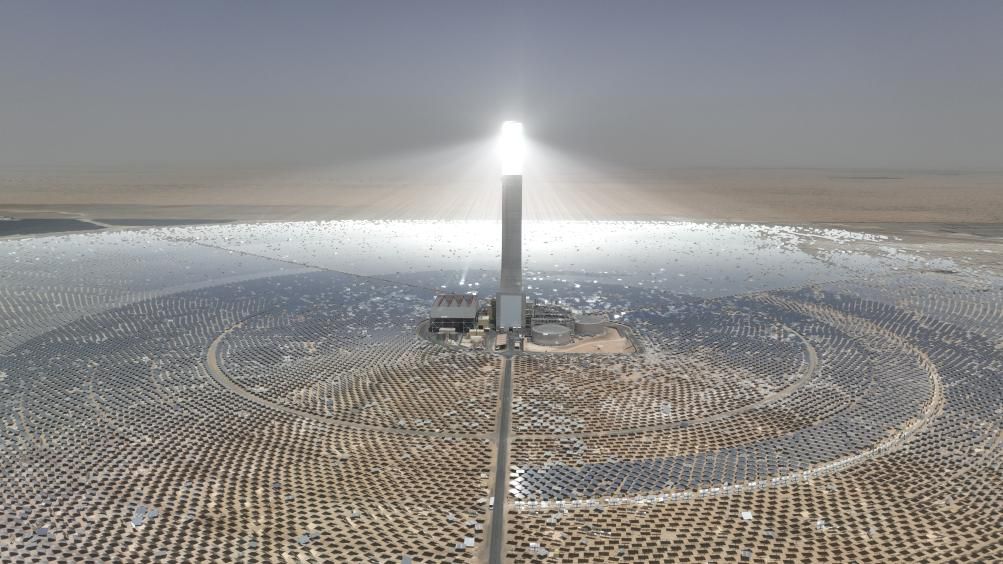



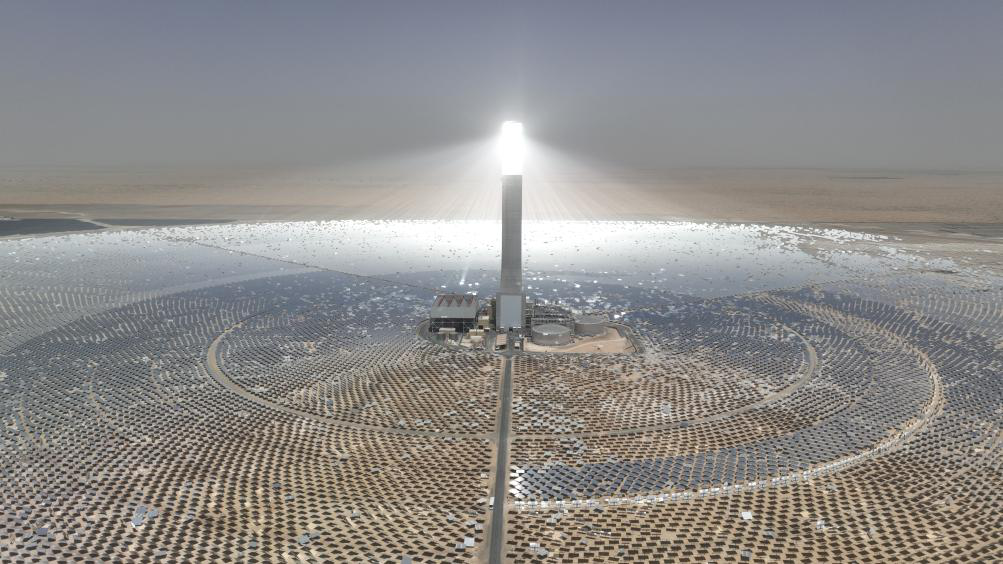
An aerial drone photo taken on Sept. 2, 2024 shows the 4th phase project of the Chinese-built Mohammed bin Rashid Al Maktoum Solar Park in Dubai, the United Arab Emirates. (Xinhua)
Introduction: more than a decade of connectivity
When the Belt and Road Initiative (BRI) was first proposed in 2013, many people saw it as a historical tribute to the ancient Silk Road. However, as we stand here in 2026, it is clear that the BRI has become something much more modern and complex. We are now thirteen years into this journey. What started as a vision for physical roads and maritime routes has matured into a sophisticated framework for technology, green energy, and cooperation.
For the Middle East, a region that has always been the bridge between East and West, the BRI has provided a new pathway for modernization. This article explores how the relationship between China and the Middle East has evolved over the last thirteen years and looks at the key areas that will define our shared growth over the next decade.
The energy shift: from oil to green innovation
For a long time, the economic link between China and the Middle East was defined by a simple exchange: the Middle East supplied crude oil, while China provided manufactured goods. China's cooperation with the Middle East provided steady energy sources for China's massive industrial growth. In the early years of the BRI, almost 60 percent of Chinese investment in the region was focused on this traditional energy sector.
However, as we look at the landscape in 2026, the story is changing. We are no longer just talking about crude oil shipments. The Middle East is currently undergoing a massive energy transition, and China has become its most vital partner in this shift. China is now a global leader in solar panels, wind turbines, and electric vehicle technology.
Countries like Saudi Arabia and the United Arab Emirates are integrating Chinese green technology into their national grids. We are seeing massive solar parks in the desert and new hydrogen research facilities being built with Chinese technical expertise. This partnership ensures that while the Middle East remains a global energy giant, it is doing so by leading the way in sustainability and clean power for the future. With Chinese wisdom, it is also an important participant of clean power innovation.
Building the digital infrastructure
One of the most significant changes in the BRI's history occurred after the global pandemic. While physical construction projects like roads faced challenges, digital connectivity became the top priority. This gave birth to what we now call the "Digital Silk Road."
By 2026, the digital footprint of the BRI is visible in almost every major Middle Eastern city. Chinese technology providers have become essential partners in building the region's telecommunications systems. From 5G networks and submarine fiber-optic cables to cloud computing and artificial intelligence (AI), this partnership is helping the Middle East achieve strategic autonomy.
By building high-tech infrastructure with Chinese hardware and software, regional powers are diversifying their economies and moving away from over-reliance on oil. We see this in smart city projects in Egypt and new digital finance hubs in the Gulf. For tech professionals and developers, this is the most exciting part of the BRI, as it provides the digital foundation for local startups to compete on a global stage.
Evaluating success and overcoming challenges
There has been a lot of talk in the news about "debt traps" or projects being canceled. However, looking at the data in 2026, the Middle Eastern experience tells a story of strategic success. Middle Eastern states have the advantages of strong sovereign wealth funds and professional teams that know how to negotiate these deals.
Most projects in the region, ranging from modernized ports to high-speed rail have been completed and are running successfully. Chinese capital and technical know-how help speed up Middle Eastern countries' national modernization. While the pandemic caused some temporary slowdowns, the long-term trend has been one of resilience. The Middle East isn't just receiving investment; it is actively using it to build a better future.
Looking toward 2030: health, culture, and climate
As we look toward the end of this decade, the BRI is expanding into new, more human-centered areas that affect our daily lives:
Health cooperation: China and the Middle East have established permanent medical research hubs. We now see regional vaccine production and biotech innovation taking place in countries like the UAE and Egypt.
Cultural exchange: The BRI is no longer just for engineers. We see a massive increase in student exchanges. More Middle Eastern students are studying in China than ever before, and Chinese scholars are visiting the Middle East, creating a people-to-people connection that didn't exist a decade ago.
Climate resilience: As the region faces water scarcity and rising temperatures, Chinese technology in water desalination and desert agriculture is becoming a vital necessity for the region's survival.
A personal perspective: my vision for the future
Thirteen years ago, the BRI was a bold idea on paper. Today, it is a reality that we live every day. It affects the phones we use, the energy that powers our homes, and the way our countries interact with the world. I believe the BRI has outgrown its original name; it is no longer just a "road," but the nervous system of a new global economy.
The Middle East has always been a vital link of world trade, and the BRI has brought a modern transformation to this role. But the true success of this project won't be measured only in billions of dollars or kilometers of railway. It will be measured by the opportunities it creates for us, the students, the developers, and the innovators who will lead the way.
We are moving into an era of true partnership. We are co-creating a future where economic development is used as a foundation for peace and stability. The challenges of the future, like climate change and the digital divide are too big for any one nation to solve alone.
The Belt and Road Initiative is a platform for that cooperation. It is an invitation to build a world that is more connected and prosperous for all. The first thirteen years have laid a strong foundation; the next decade is where we will see the true results of our shared efforts. Let’s continue to build these bridges and move forward together.
Editor's Note: This article is written by Ziyad Faraj Hamid from Iraq, who is now studying at the Belt and Road School at Beijing Normal University. The views expressed in this article are those of the author and do not necessarily reflect the positions of Belt and Road Portal or Beijing Normal University.
 A single purchase