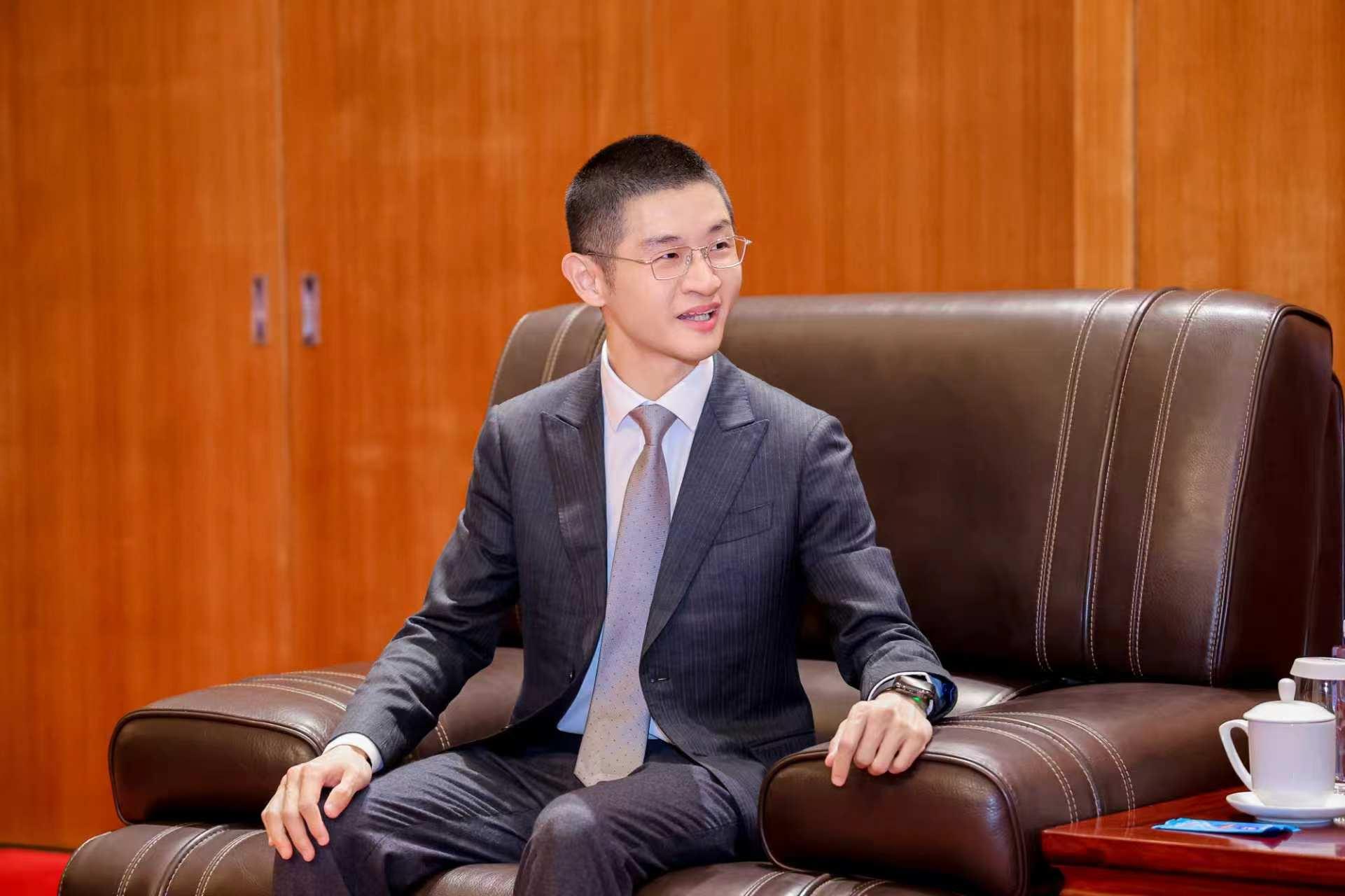



In a recent interview with Xinhua Finance, He Yizhou, Managing Director and China CEO of Australian Capital Equity (ACE), shared his perspective on cross-border investment, global business cooperation, and the long-term trends shaping the next decade.
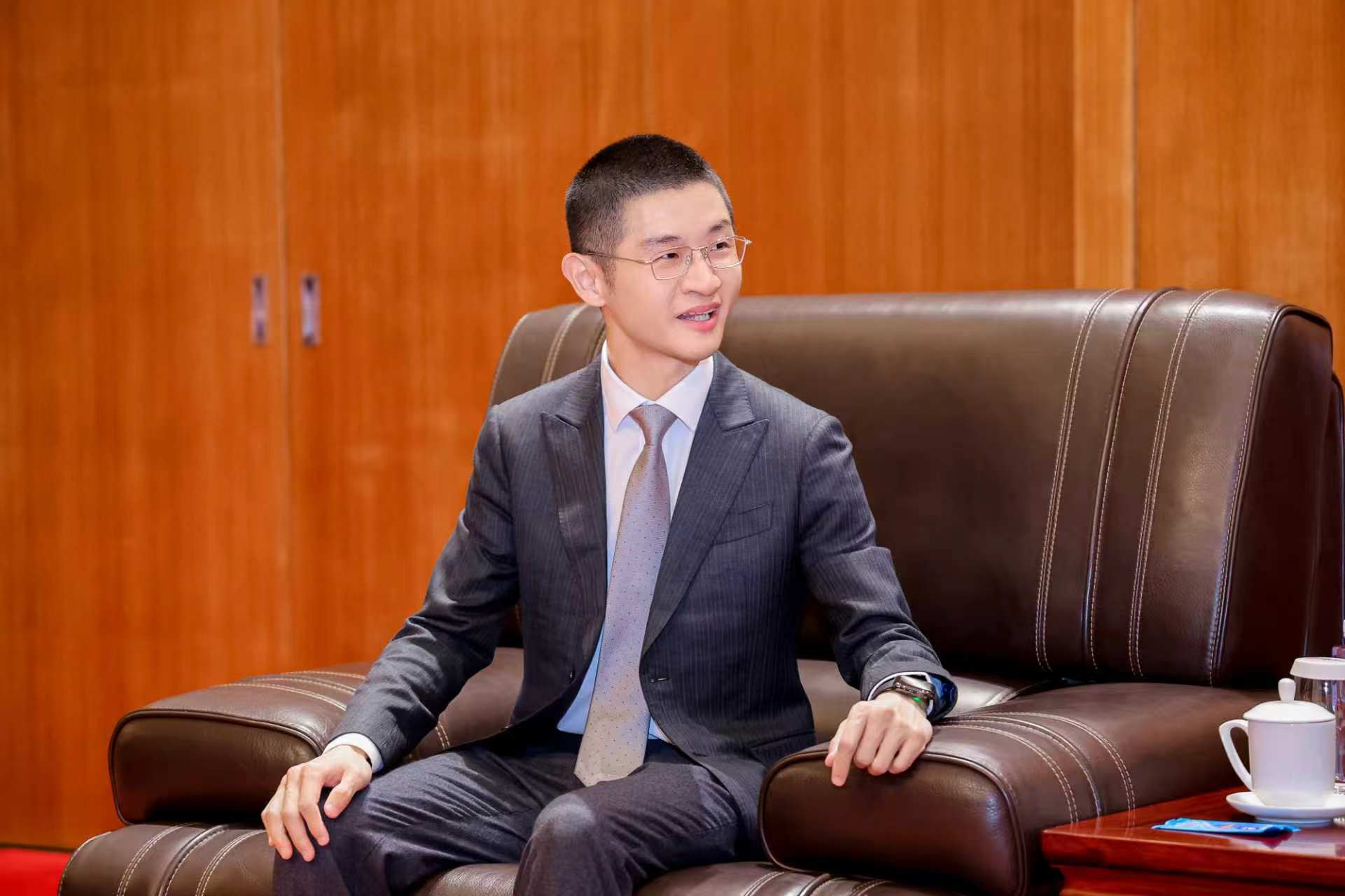
He Yizhou, Managing Director and China CEO of Australian Capital Equity, is in an interview with Xinhua Finance.
Reflecting on his early experience working in the Middle East in his twenties, He said that the experience enabled him to gain a profound understanding of the essence of cross-border cooperation.
"Cross-border investment, and M&A (mergers and acquisitions) may appear to be the combination of capital and assets, but at a deeper level, they are about culture and trust," he said.
While working with local teams, He found that the Middle Eastern and Chinese business cultures shared important common values, including respect for long-term responsibility, maintaining organizational stability, and honoring business commitments. Once these cultural connections were recognized, frictions at the institutional and management levels were naturally reduced.
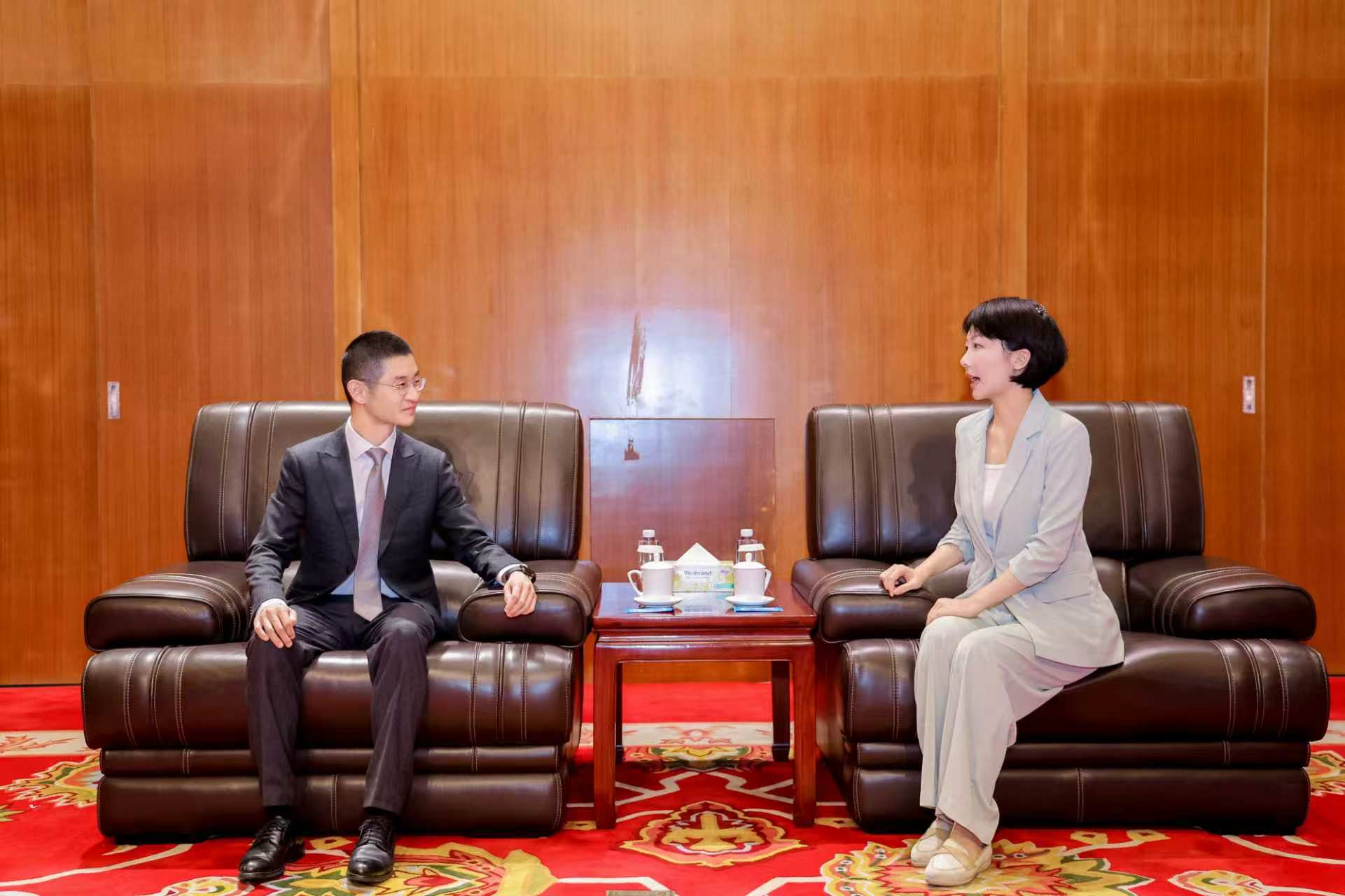 He Yizhou (left), Managing Director and China CEO of Australian Capital Equity, is in an interview with Xinhua Finance.
The experience also shaped his management philosophy in multinational business operations, He noted.
From his point of view, Chinese executives in multinational companies are not only business operators but also bridges between different systems, fostering long-term stability of cooperation through understanding and consensus, he said.
He stressed that cross-border investment is not simply about capital transfer, but rather an integration of resources, rules and capabilities. He suggested that companies investing abroad should make themselves long-term participants deeply rooted in local markets, while connecting global resources to achieve sustainable development through synergy.
He also shared an example from an earlier China-Australia energy cooperation project, during which companies from both sides held different opinions regarding project risks, investment timelines and technological approaches. Rather than pushing for decisions, he clarified each party's core concerns, set up a unified information platform, and organized on-site visits for Australian companies to China's electrical equipment supply chain. As transparency and mutual understanding improved, the cooperation expectations became clearer and procurement decisions were eventually reached.
"Trust is not built through a single meeting. It is gradually formed through consistent, transparent and verifiable actions," He said.
Looking ahead, He expects that improvement of production efficiency and reconstruction of trust mechanisms will become two key themes of investment for the next decade. He places particular emphasis on artificial intelligence (AI) and blockchain.
AI is evolving from merely a tool into infrastructure of enterprises, while blockchain represents a new form of "trust infrastructure" for the digital economy, said He. Industries capable of continuously enhancing efficiency and rebuilding trust mechanisms will have long-term opportunities with certainty. (Contributed by Chen Biqi, edited by Li Xueqing with Xinhua Silk Road, lixueqing@xinhua.org)
 A single purchase