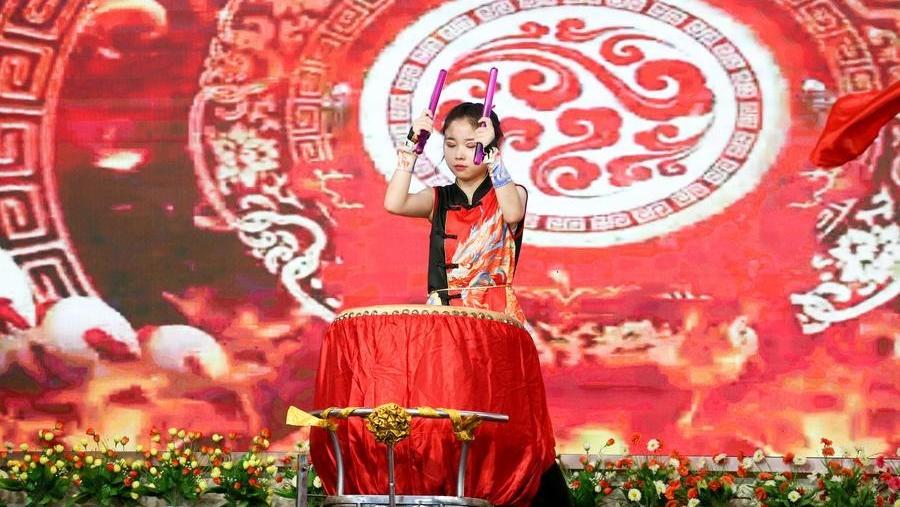



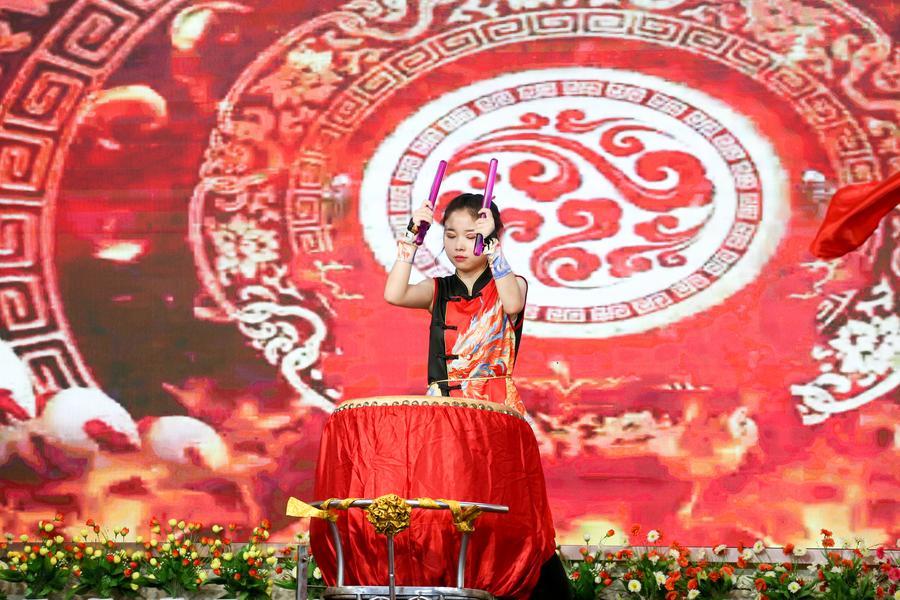
A student competes in the 2026 "Chinese Bridge" Chinese proficiency competition for foreign college, secondary school, and primary school students in Yangon, Myanmar, May 31, 2026. (Xinhua/Myo Kyaw Soe)
As a student from Myanmar, I have become more interested in how countries work together to support development. One idea that often catches my attention is the Belt and Road Initiative (BRI), proposed by China in 2013. The BRI aims to strengthen cooperation between countries through infrastructure, trade, education, technology and cultural exchange. From my perspective, it is not only about large projects or economic cooperation, but also about how it connects people and improves daily life. It creates opportunities for countries to share knowledge, technology, culture and experience. These connections can bring real changes that improve people’s daily lives.
In recent years, I have noticed many changes that show how development and cooperation can shape society. These changes can be seen in transportation, technology, communication and cultural exchange. Although Myanmar still faces challenges, there are also opportunities to learn from other countries and explore new ideas. Development is not always about something very large or immediate. Sometimes, it appears through small improvements that make life easier, more connected and more efficient.
One area that impressed me is digital payment. In China, mobile payment platforms are widely used in daily life. People can pay for food, shopping, transportation and other services using only their phones. From my experience, digital payment makes daily life easier because people can pay quickly without carrying cash. It also makes daily activities smoother, especially for students and busy workers. This showed me how technology can make simple tasks easier.
Digital technology is also part of modern cooperation between countries. Although BRI is often connected with transportation and infrastructure, it also encourages digital development and innovation. I think digital payment systems can also bring benefits to Myanmar in the future. In many places, people still rely heavily on cash. While cash is still important, digital payment can offer another convenient option. It may help small businesses, improve accessibility and make transactions faster. Seeing how technology works in daily life has helped me understand that development is not only about infrastructure, but also about improving convenience for ordinary people.
Transportation is another area where I see clear development. In China, trains and subways are fast, organized and easy to use. The railway system connects many cities, making travel more convenient for people. High-speed trains help passengers travel long distances in less time. Roads and expressways are also well developed, helping traffic move more smoothly.
In many cities, overpasses, bridges, tunnels and elevated roads help reduce traffic congestion. These systems make transportation more organized, especially in busy areas. Pedestrian bridges also help people cross roads safely. From my experience, transportation in China feels organized and efficient.
In addition to trains and roads, shared transportation is very common. Shared bicycles and electric scooters can be found in many places. People can rent them using a mobile app and use them for short trips. These transportation options are affordable, convenient and easy to access. They are useful for traveling between subway stations, campuses, shops and residential areas. They also help reduce traffic and support a more environmentally friendly lifestyle. This makes daily travel more flexible and efficient for students and workers.
Compared to China, transportation in Myanmar still has room for improvement. However, I think there is strong potential for development in the future. In Myanmar, some development projects are also connected to BRI cooperation. Better transportation can help connect cities, improve mobility and create more opportunities for education and business. Transportation is not only about moving from one place to another. It also connects people to opportunities and supports economic growth.
Transportation development is one of the most visible parts of the BRI. Railways, roads, ports and bridges help improve regional connectivity and make movement easier for people and goods. These systems can strengthen trade, reduce travel time and support cooperation between neighboring countries.
Beyond development and technology, I think cultural exchange is equally important. During my time at Beijing Normal University, I had the chance to join different cultural activities. These experiences allowed me to learn about Chinese traditions in a more direct and enjoyable way. It was not only about studying in the classroom, but also about experiencing culture through real activities.
For example, I celebrated National Day and joined activities related to Chinese festivals. During the Mid-Autumn Festival, I had the chance to make mooncakes. During Chinese New Year, I learned how to make dumplings. These activities helped me understand Chinese culture in a simple and practical way. I could see how traditions bring people together and create a strong sense of community.
What I enjoyed most was sharing these experiences with classmates and people from different backgrounds. We joined activities together, talked about our own cultures and learned from each other. These moments made me feel more connected to people around me. From my perspective, cultural exchange helps build friendship and understanding between countries.
As a student, I feel that these experiences are meaningful because they go beyond academic learning. They allow people to understand traditions, values and lifestyles in a natural way. Cultural exchange creates opportunities for people to appreciate differences while finding common ground. Learning to understand each other is important in a world that is becoming more connected.
Countries can also learn from one another by sharing ideas and experiences. This creates opportunities for improvement and helps people find better ways to solve challenges. When people exchange knowledge and experiences, they can find better ways to solve challenges. Development becomes stronger when it includes not only technology and infrastructure, but also communication and mutual learning.
In Myanmar, small but meaningful changes can already be seen. Some families use solar panels to deal with electricity shortages. Others are becoming interested in electric vehicles because they are more cost-effective over time. Farmers continue to use local resources in practical ways, such as using straw for handicrafts, mushroom production, animal feed and other purposes. These examples may seem simple, but they show how people adapt to change and make use of available resources.
What I find interesting is that development does not always happen in one big step. It often happens slowly through everyday improvements. A better payment system, easier transportation, cultural exchange and new technology can all contribute to a better quality of life. These changes may appear small, but together they create meaningful progress.
From my perspective, development should not only focus on economic growth. It should also improve people’s daily experiences. Better transportation can save time. Digital payment can make transactions easier. Cultural exchange can strengthen understanding and friendship. These elements may seem different, but they are all connected.
As a student, I believe it is important to pay attention to these changes and learn from them. Observing different systems and experiences has helped me think more about how cooperation between countries can create positive results. Young people also have an important role to play. We can learn from others, share our perspectives and contribute to stronger connections between countries.
Overall, I believe the BRI is not only about economic cooperation or large-scale development. From my perspective, it is also about connecting people, sharing culture and improving everyday life. Through technology, transportation, education and cultural exchange, countries can learn from one another and create meaningful progress. For countries like Myanmar, BRI may provide opportunities to improve infrastructure, encourage innovation and strengthen educational exchange. These changes may take time, but they help build a more connected and positive future. I believe that continued cooperation and understanding can support development that benefits both people and communities.
Editor's Note: This article is written by Aye Leh Leh Phyo from Myanmar, who is now studying at the Belt and Road School of Beijing Normal University. The views expressed in this article are those of the author and do not necessarily reflect the positions of the Belt and Road Portal or Beijing Normal University.
 A single purchase